Missing most or all of your teeth can make eating, speaking, and smiling more difficult. Loose dentures may also cause discomfort and make everyday activities less convenient. Full mouth dental implants offer an option for replacing multiple missing teeth with implant-supported restorations designed to improve stability, chewing function, and appearance.
If you are considering full mouth dental implants in Chandigarh, understanding the treatment process, estimated cost, recovery period, and available options can help you make an informed decision. At Vital Dental Clinic, patients from Chandigarh, Mohali, Zirakpur, Panchkula, Kharar, and New Chandigarh can discuss their tooth-replacement needs and explore suitable treatment options.
What Are Full Mouth Dental Implants?
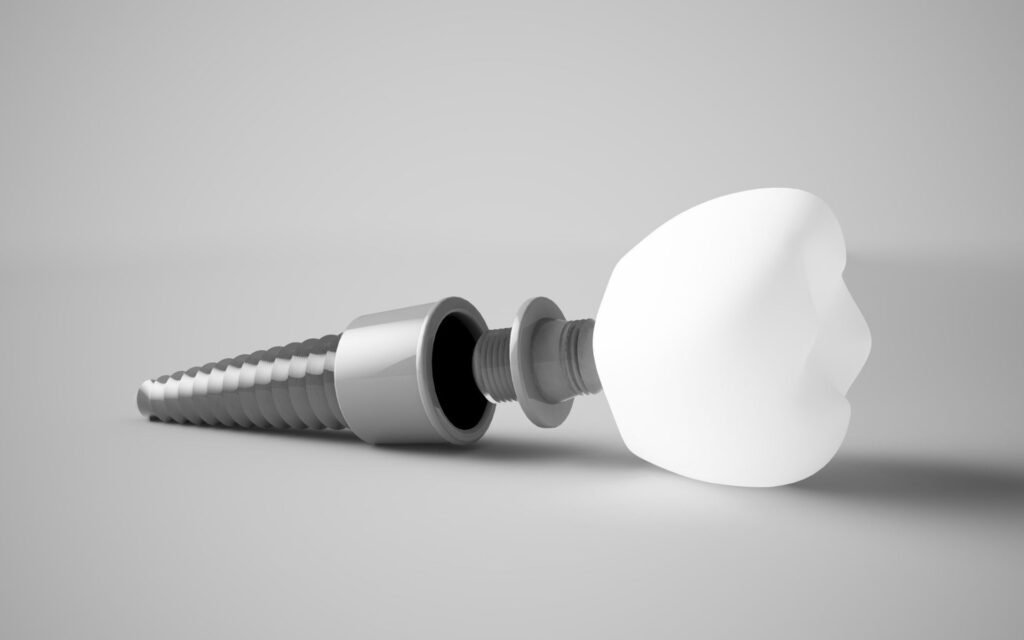
Full mouth dental implants are used to replace most or all teeth in the upper jaw, lower jaw, or both. Small implant fixtures, usually made from titanium, are placed in the jawbone to support a fixed bridge or another type of dental restoration.
Unlike conventional removable dentures, implant-supported teeth attach to implants rather than relying solely on the gums for support. Depending on the patient’s oral health and treatment plan, the restoration may be fixed or removable.
The number of implants required varies. Some patients may qualify for a full-arch fixed restoration supported by four or six implants, while others may need a different approach. A dentist must evaluate the jawbone, bite, gum health, and remaining teeth before recommending a treatment plan.
Full Mouth Dental Implant Cost in Chandigarh in 2026
One of the most common questions patients ask is, “What is the cost of full mouth dental implants in Chandigarh?”
The total cost depends on the number of implants, implant system, restoration material, condition of the jawbone, and complexity of the procedure. As a broad budgeting guide, treatment may cost several lakhs of rupees per jaw, with both-jaw treatment costing more. Premium materials or additional procedures can increase the total.
The following figures are illustrative estimates, not a confirmed price list for Vital Dental Clinic.
| Treatment option | Indicative estimated cost |
|---|---|
| Full-arch fixed teeth supported by implants, one jaw | ₹1,50,000–₹4,00,000+ |
| Full-mouth implant-supported teeth, both jaws | ₹3,00,000–₹8,00,000+ |
| Bone grafting, if required | Additional cost |
| Temporary teeth or provisional restoration | Depends on the treatment plan |
These estimates vary considerably between clinics and treatment designs. Ask for an itemized quotation that explains whether the price includes implant fixtures, abutments, temporary teeth, final prosthetic teeth, scans, surgery, and follow-up appointments.
Factors That Affect Full Mouth Dental Implant Cost
1. Number of Implants Required
The number of implants depends on bone availability, the planned restoration, and how biting forces need to be distributed. Some full-arch restorations use four implants, while others use six or a different number.
More implants do not automatically mean better treatment. The dentist should recommend an approach based on your clinical needs rather than price alone.
2. Implant Brand and Quality
Different implant systems have different designs, components, and supporting clinical evidence. Their prices may vary depending on the manufacturer and the components used.
Ask your dentist which implant system is being proposed, why it is suitable for your case, and whether replacement parts will be available in the future.
3. Material Used for Fixed Teeth
The material used for the final restoration influences the total cost. Options may include acrylic-based restorations, composite materials, or ceramic and zirconia-based restorations.
Each option has different considerations regarding appearance, repairability, strength, maintenance, and price. The best choice depends on your bite, clinical situation, expectations, and budget.
4. Bone Grafting and Other Procedures
When teeth have been missing for a long time, the jawbone may have reduced in volume. Some patients may require bone grafting or other preparatory procedures before implants can be placed.
The need for these procedures can only be determined after an examination and appropriate imaging. They can increase the overall treatment cost and extend the timeline.
5. Diagnostic Scans and Treatment Planning
Dental examinations and imaging help the dentist evaluate bone dimensions and plan implant placement. A CBCT scan may be recommended when three-dimensional imaging is needed.
Digital planning can help assess implant positions and the proposed restoration. Ask whether diagnostic scans and treatment planning are included in your quotation.
What Is the Difference Between All-on-4 and All-on-6 Dental Implants?
All-on-4 and All-on-6 are approaches for supporting a fixed full-arch restoration with four or six implants, respectively.
All-on-4 dental implants: This approach uses four implants to support a full arch of replacement teeth in selected patients. Implant positioning and the condition of the jawbone are important considerations.
All-on-6 dental implants: This approach uses six implants to support the restoration. Depending on the individual case, the additional implants may provide another way to distribute biting forces.
Neither approach is automatically right for everyone. Bone quality, anatomy, bite, health history, and the design of the final teeth all influence treatment selection. Your dentist can explain which option is appropriate after examining you.
Who May Be Suitable for Full Mouth Dental Implants?
Full mouth dental implants may be considered for people who have lost most or all of their teeth, have several teeth that cannot be restored, or struggle with unstable dentures.
Suitability depends on several factors, including:
- Adequate jawbone or the possibility of preparing the site for implants.
- Healthy gums or a plan to treat gum disease before surgery.
- Good oral hygiene and willingness to attend follow-up visits.
- Medical conditions and medications that may affect healing.
- Smoking habits and other factors that may influence implant success.
Age alone does not determine suitability. A thorough dental assessment is essential before treatment begins.
Full Mouth Dental Implant Procedure: Step by Step
Step 1: Consultation and Examination
The dentist examines your mouth, reviews your medical and dental history, and discusses your goals. Remaining teeth are assessed to determine whether they can be preserved or need treatment.
Step 2: Scans and Treatment Planning
Appropriate X-rays or a CBCT scan may be used to evaluate the jawbone and plan implant placement. The dentist also considers how the replacement teeth will look, fit, and function.
Step 3: Implant Placement
The implant fixtures are placed in the jawbone during a planned surgical procedure, usually under local anaesthesia. Sedation may be available in some settings, depending on the patient’s needs and the clinic’s facilities.
Step 4: Temporary Teeth and Healing
Some patients may receive temporary teeth soon after surgery if their clinical condition permits. Others need a healing period before the implants can support a restoration.
The implants generally need time to integrate with the bone. The duration varies according to bone quality, additional procedures, and individual healing.
Step 5: Final Teeth Placement
Once the dentist confirms that the implants are ready, the planned final restoration is fitted. The bite, comfort, appearance, and function are checked, and the patient receives instructions for cleaning and maintenance.
Full Mouth Dental Implant Recovery: What to Expect
Recovery depends on the number of implants placed and whether bone grafting or other procedures are needed.
First 24–72 hours: Swelling, mild bleeding, bruising, and discomfort may occur. Follow the dentist’s instructions, use prescribed medication as directed, and apply cold packs only as recommended.
First week: Soft foods, gentle oral hygiene, and adequate rest are generally advised. Avoid smoking and strenuous activity during the period recommended by your dentist.
Following weeks: The surgical site continues to heal. Attend scheduled reviews so the dental team can monitor healing and address any concerns.
Following months: The implant fixtures may need several months to integrate with the jawbone before the final teeth are fitted. The timeline depends on the treatment plan and individual healing.
Seek prompt dental advice if you develop worsening pain or swelling, fever, persistent bleeding, pus, or other concerning symptoms. Difficulty breathing or swallowing requires emergency medical attention.
How to Care for Full Mouth Dental Implants
Long-term maintenance is essential for protecting implant-supported teeth and the surrounding gums.
- Brush twice daily using a soft-bristled toothbrush.
- Clean around and underneath the restoration using the tools recommended by your dentist.
- Attend regular dental checkups and professional maintenance appointments.
- Avoid using your teeth to open packaging or bite very hard objects.
- Stop smoking if possible, as smoking can increase the risk of implant complications.
- Contact your dentist if the restoration becomes loose, damaged, or uncomfortable.
Dental implants are not maintenance-free. The restoration and its components may require repair or replacement over time.
Why Consider Vital Dental Clinic for Full Mouth Dental Implants in Chandigarh?
Choosing an implant clinic involves more than comparing advertised prices. Ask about the treating dentist’s qualifications and experience, the proposed implant system, diagnostic planning, sterilization procedures, the materials used for your final teeth, and the aftercare plan.
At Vital Dental Clinic in Chandigarh, patients can discuss their missing teeth, treatment preferences, expected recovery, and estimated costs with the dental team. Patients from Mohali, Zirakpur, Panchkula, Kharar, and New Chandigarh can also enquire about consultation and treatment options.
A personalized treatment plan should explain the recommended approach, possible risks, alternatives, treatment timeline, and complete estimated fee before you decide to proceed.
Frequently Asked Questions About Full Mouth Dental Implants
How much do full mouth dental implants cost in Chandigarh?
The price depends on whether one or both jaws are being treated, the implant system, the final teeth, and any additional procedures. Full-mouth treatment can cost several lakhs of rupees, so request a personalized written estimate.
How long does full mouth implant treatment take?
Treatment can take several months, particularly when the implants need to integrate with the jawbone. Some suitable patients may receive temporary teeth sooner, but immediate teeth are not appropriate for every case.
Are full mouth dental implants painful?
Implant placement is performed with anaesthesia. Postoperative soreness and swelling can occur, and the dentist will explain how to manage discomfort and care for the surgical sites.
Can I get fixed teeth on the same day?
Some patients qualify for immediate temporary fixed teeth, depending on implant stability, bone conditions, and the overall treatment plan. This does not necessarily mean the final restoration can be placed on the same day.
How long do full mouth dental implants last?
Implants can function for many years, but longevity varies with oral hygiene, general health, smoking, bite forces, and maintenance. The prosthetic teeth and components may need repair or replacement.