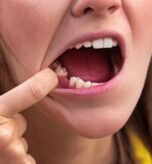

Wisdom tooth pain can make everyday activities such as eating, speaking, and sleeping uncomfortable. When a wisdom tooth becomes impacted, infected, or difficult to clean, a dentist may recommend wisdom tooth removal to prevent further dental problems. One of the most common questions patients ask before the procedure is: How long does wisdom tooth removal recovery take?
In most cases, the initial recovery takes a few days, and swelling and discomfort gradually improve over the first week. However, complete healing of the gum tissue can take several weeks, while the underlying bone may require several months to heal fully. The exact recovery time depends on whether the wisdom tooth is fully erupted or impacted, the complexity of the extraction, and your overall oral health.
At Vital Dental Clinic in Chandigarh, understanding the wisdom tooth removal recovery timeline can help you prepare for treatment and follow appropriate aftercare. This guide explains the healing stages, expected symptoms, foods to eat, activities to avoid, and warning signs that require dental attention.
How Long Does Wisdom Tooth Removal Recovery Take?
Wisdom tooth removal recovery varies from person to person. A simple extraction of a fully erupted wisdom tooth generally heals faster than surgical removal of an impacted tooth that is trapped beneath the gum or bone.
Here is a general recovery timeline:
- First 24 hours: A blood clot forms in the extraction socket, and mild bleeding, discomfort, and swelling may occur.
- Days 2–3: Swelling and jaw stiffness may become more noticeable before gradually improving.
- Days 4–7: Pain and swelling should generally begin to decrease, allowing many patients to resume most everyday activities.
- One to two weeks: The gum tissue continues healing, and any stitches may dissolve or be removed if necessary.
- Two to four weeks: The extraction site continues to close and strengthen, although healing varies with the complexity of the procedure.
- Several months: The underlying bone gradually remodels and fills in the extraction area.
These timeframes are approximate rather than fixed. Surgical removal of an impacted wisdom tooth may require a longer recovery than a straightforward extraction.
If pain or swelling becomes worse instead of gradually improving, contact your dentist for an assessment.
Wisdom Tooth Removal Recovery Timeline: Day by Day
Knowing what to expect after wisdom tooth extraction can make the recovery process less stressful.
First 24 Hours After Wisdom Tooth Removal
The first day is particularly important because a blood clot forms inside the extraction socket. This clot protects the underlying tissues and supports healing.
You may experience mild bleeding or blood-tinged saliva, tenderness, swelling, and discomfort as the anaesthetic wears off.
Your dentist may recommend biting gently on gauze for the prescribed period if bleeding occurs. Rest is important, and you should follow the medication and aftercare instructions provided by your dental professional.
During the first 24 hours:
- Rest and avoid strenuous physical activity.
- Eat soft, cool or lukewarm foods as tolerated.
- Avoid vigorous rinsing, forceful spitting, and drinking through a straw.
- Do not smoke or vape.
- Avoid touching the extraction site with your fingers or tongue.
- Apply a cold compress externally if recommended.
Do not repeatedly disturb the extraction socket, as this can interfere with the blood clot.
Days 2–3: Swelling and Jaw Stiffness
Swelling often becomes more noticeable during the second or third day after wisdom tooth removal. Some patients also experience bruising, tenderness when opening the mouth, and discomfort while chewing.
These symptoms can be part of normal healing, particularly after surgical extraction of an impacted wisdom tooth.
You may notice that the affected side of your face looks slightly swollen. Jaw stiffness can also make speaking and eating uncomfortable.
To support recovery:
- Continue taking prescribed medication according to your dentist’s instructions.
- Eat soft foods that require minimal chewing.
- Keep your head slightly elevated when resting if comfortable.
- Follow your dentist’s instructions for gentle oral hygiene.
- Begin gentle warm salt-water rinses after the first 24 hours if advised.
Swelling should generally start improving after its initial peak. Increasing swelling accompanied by fever, pus, or worsening pain needs prompt dental assessment.
Days 4–7: Gradual Improvement
By the fourth to seventh day, many patients notice a clear reduction in swelling and discomfort.
You may gradually return to normal daily activities if you feel well enough. However, strenuous exercise should be resumed according to your dentist’s advice, especially if you had a complicated surgical extraction.
Continue choosing foods that are comfortable to chew. Avoid hard, crunchy, sharp, or very chewy foods that could irritate the healing socket.
You should also continue cleaning your teeth carefully while avoiding direct trauma to the extraction site.
If you received stitches, they may dissolve on their own or require removal, depending on the type used.
Week 2: Gum Healing Continues
By the second week, most uncomplicated extractions have improved considerably. Pain and swelling should be minimal or resolved, although some tenderness or a small opening in the gum may remain.
The extraction socket may still look like a small hole. This does not necessarily indicate a problem because the gum tissue closes gradually.
Continue maintaining good oral hygiene and follow any additional instructions from your dentist.
If discomfort persists without improvement, food repeatedly becomes trapped in the socket, or you notice an unpleasant taste or odour accompanied by pain, arrange a dental review.
Weeks 3–4 and Beyond: Deeper Healing
The gum tissue continues to strengthen over the following weeks. The socket gradually fills with healing tissue, and the underlying bone remodels over a longer period.
You may feel completely comfortable before the bone has finished healing. This is normal.
After a complicated extraction, deeper healing may take longer. Your dentist can advise you when it is appropriate to return to all normal activities based on the procedure and your progress.
What Factors Affect Wisdom Tooth Removal Recovery Time?
Not everyone heals at the same rate. Several factors influence how quickly you recover after wisdom tooth extraction.
1. Simple Extraction vs Surgical Extraction
A fully erupted wisdom tooth that can be removed without extensive surgery generally has a shorter recovery period.
An impacted wisdom tooth may be trapped beneath the gum or bone. Removing it can require an incision, removal of some surrounding bone, or sectioning of the tooth into smaller pieces.
Because the procedure involves more tissue manipulation, swelling, jaw stiffness, and discomfort may last longer.
2. Position of the Wisdom Tooth
Wisdom teeth can grow at different angles. Some erupt normally, while others remain partially erupted or lie sideways against neighbouring teeth.
Deeply impacted or awkwardly positioned wisdom teeth may require a more complex procedure, which can affect recovery time.
3. Oral Hygiene
Good oral hygiene helps reduce plaque accumulation and supports healing.
However, brushing too aggressively around the extraction socket or using forceful rinsing can disturb the healing area.
Follow your dentist’s instructions for brushing, rinsing, and keeping the extraction site clean.
4. Smoking and Tobacco Use
Smoking can interfere with healing and increase the risk of complications, including dry socket. The suction involved in smoking may also disturb the blood clot.
Avoid smoking and vaping during the recovery period, following your dentist’s instructions about how long to abstain.
5. General Health and Medication
Your overall health, existing dental infection, certain medical conditions, and medications can influence healing.
If you take blood-thinning medication or have a medical condition that affects bleeding or healing, inform your dentist before the procedure. Never stop prescribed medication without guidance from the clinician responsible for your care.
What Is Dry Socket After Wisdom Tooth Removal?
Dry socket is a painful complication that occurs when the blood clot in the extraction socket is lost, breaks down prematurely, or fails to remain in place adequately, exposing underlying tissues.
It often develops within a few days after extraction and can cause significant discomfort.
Common Signs of Dry Socket
- Severe or worsening pain a few days after extraction.
- Pain that spreads towards the ear, temple, or nearby jaw.
- An unpleasant taste or bad breath.
- An extraction site that appears empty or has visible exposed bone.
Dry socket is not the same as a routine healing socket, and not every painful extraction develops this complication.
If you suspect dry socket, contact your dentist promptly. Treatment may include cleaning the socket and placing a suitable medicated dressing to relieve discomfort.
Do not try to pack the socket with cotton, medicines, or household remedies yourself.
What Foods Should You Eat After Wisdom Tooth Removal?
Your diet can make recovery more comfortable. During the first few days, choose soft foods that do not require much chewing and are unlikely to become lodged in the extraction socket.
Best Foods to Eat After Wisdom Tooth Extraction
Yoghurt: Soft and easy to swallow, making it a convenient option during early recovery.
Mashed potatoes: A smooth, filling food that can be served lukewarm rather than hot.
Soft scrambled eggs: Provide protein to support normal tissue repair.
Porridge or oatmeal: Choose a smooth consistency and allow it to cool to a comfortable temperature.
Smooth soups: These provide fluid and nourishment. Avoid very hot soups and soups containing hard pieces.
Bananas: Ripe bananas can be mashed for a soft snack.
Soft pasta: Once chewing becomes more comfortable, well-cooked pasta may be suitable.
Smoothies eaten with a spoon: These can provide nutrients, but avoid using a straw during the initial healing period.
Drink enough water throughout the day, taking small sips as needed.
Foods to Avoid During Recovery
For the first several days, avoid foods that can irritate the socket or become trapped in it, including:
- Chips, nuts, popcorn, and hard crackers.
- Seeds and foods with small, hard particles.
- Very spicy foods if they irritate the wound.
- Very hot foods and drinks.
- Tough meat and chewy foods.
- Sticky sweets and chewing gum.
- Alcohol, particularly when taking medication that may interact with it.
Gradually return to your normal diet as comfort improves and your dentist advises.
How to Reduce Pain and Swelling After Wisdom Tooth Removal
Some discomfort is expected after extraction, but appropriate aftercare can make the healing process easier.
Apply a Cold Compress
During the first 24 hours, a cold compress applied externally to the cheek may help reduce swelling. Use it intermittently and protect your skin from direct contact with ice.
Follow any specific instructions provided by your dentist.
Take Medication as Directed
Your dentist may recommend or prescribe pain relief based on your medical history and the procedure.
Take medicines only as directed. Do not exceed the recommended dose or combine medicines without checking whether it is safe to do so.
Antibiotics are not required after every wisdom tooth extraction. Use them only when prescribed by your dental professional.
Maintain Gentle Oral Hygiene
Continue brushing your other teeth carefully. Avoid direct trauma to the extraction socket.
After the first 24 hours, gentle warm salt-water rinses may help keep the area clean if recommended by your dentist. Allow the water to move gently around the mouth rather than rinsing vigorously.
Get Enough Rest
Avoid strenuous activity during the initial recovery period. Heavy exercise can increase discomfort or bleeding in some patients.
Return to work, school, and exercise according to how you feel and the advice given by your dentist.
When Should You Contact a Dentist After Wisdom Tooth Removal?
Although some discomfort is normal, certain symptoms should not be ignored.
Contact your dentist if you experience:
- Pain or swelling that continues to worsen after the first few days.
- Severe pain that is not controlled by your recommended medication.
- Persistent bleeding that does not respond to the instructions provided by your dentist.
- Fever, pus, or signs of a worsening infection.
- A persistent foul taste or smell accompanied by increasing pain.
- Numbness that persists beyond the expected duration of the anaesthetic or worsens.
- Difficulty opening your mouth that becomes increasingly severe.
Seek emergency medical care if you develop difficulty breathing or swallowing, rapidly spreading swelling, or other signs of a serious reaction.
Early assessment can help identify complications and provide appropriate treatment.
Frequently Asked Questions About Wisdom Tooth Removal Recovery
1. How many days does wisdom tooth removal take to heal?
Many patients feel substantially better within three to seven days. Gum healing takes longer, often several weeks, while the underlying bone continues healing over several months.
2. Is wisdom tooth removal recovery painful?
Some pain and swelling are expected, particularly after surgical extraction. Discomfort usually improves gradually and can often be managed with medication recommended by your dentist.
3. Can I go to work the day after wisdom tooth removal?
Some people can return to desk-based work the following day after a simple extraction. Others need more rest, particularly after surgical removal. Follow your dentist’s advice and consider your pain, swelling, and the physical demands of your job.
4. When can I eat normally after wisdom tooth extraction?
Many people gradually return to a more normal diet within about a week, but the timing varies. Start with soft foods and increase the texture as chewing becomes comfortable.
5. How long does swelling last after wisdom tooth removal?
Swelling often peaks around days two to three and then gradually decreases. More complex extractions may cause swelling for longer.
6. When can I brush my teeth after wisdom tooth removal?
You can generally continue brushing other teeth carefully on the day of extraction, avoiding the surgical site. Follow your dentist’s instructions regarding when and how to clean around the socket.
7. When can I exercise after wisdom tooth removal?
Rest during the initial recovery period and avoid strenuous activity for the period recommended by your dentist. Resume exercise gradually when bleeding, pain, and swelling have settled sufficiently.
8. How do I know if I have dry socket?
Dry socket often causes severe or increasing pain a few days after extraction, sometimes spreading towards the ear or temple. An unpleasant taste or bad breath may also occur. Contact your dentist for an examination if you suspect it.
9. Does an impacted wisdom tooth take longer to heal?
It can. Surgical removal may involve an incision or removal of surrounding bone, resulting in more swelling and a longer recovery than a simple extraction.
10. Where can I get wisdom tooth removal in Chandigarh?
If you have wisdom tooth pain, swelling, or difficulty chewing, consult a qualified dental professional. Vital Dental Clinic in Chandigarh can assess your symptoms and discuss whether wisdom tooth removal is appropriate.