Dental implants are one of the most reliable options for replacing missing teeth. They are designed to look, feel and function like natural teeth, helping patients restore their smile, chewing ability and confidence. However, before choosing dental implant treatment, many patients ask an important question: How long do dental implants last?
With proper treatment planning, good oral hygiene and regular dental check-ups, dental implants can last for many years and may remain functional for decades. The implant itself can last longer than the crown attached to it, which may require repair or replacement over time due to normal wear and tear.
If you are considering dental implants in Chandigarh, understanding their lifespan, maintenance requirements and factors affecting long-term success can help you make an informed decision.
At Vital Dental Clinic, Chandigarh, patients from Chandigarh, Mohali, Panchkula, Zirakpur, Kharar and nearby areas can consult a dental implant specialist to understand suitable tooth replacement options.
How Long Do Dental Implants Last?
Dental implants can last 10–20 years or longer, and many continue functioning beyond this period with appropriate care. Their actual lifespan depends on bone health, gum condition, oral hygiene, lifestyle habits, implant placement and regular professional maintenance.
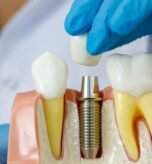
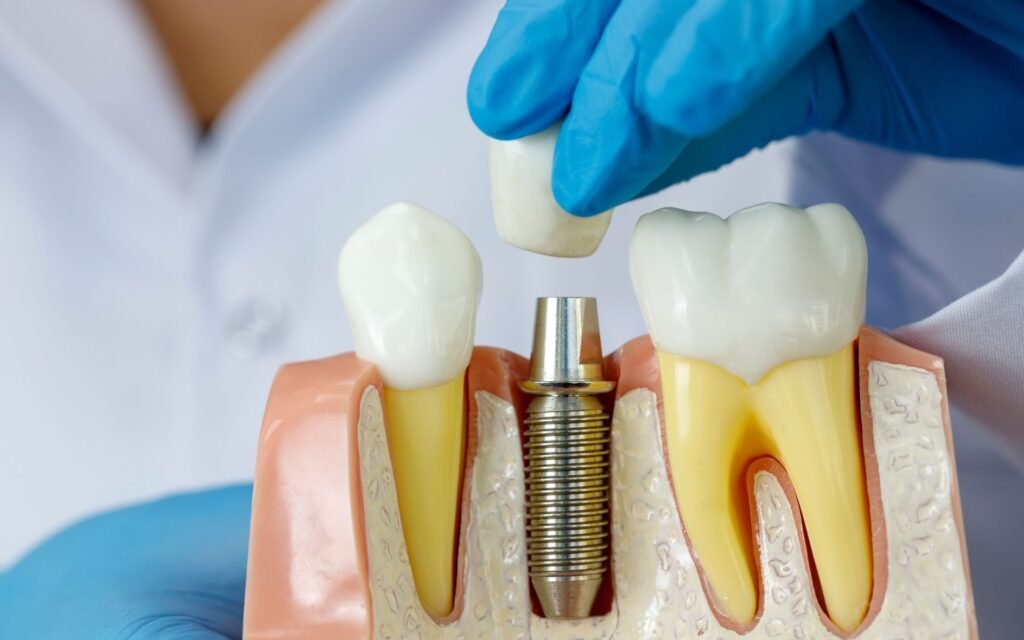
It is important to understand that a dental implant has different components:
- Implant fixture: The small titanium or other biocompatible post placed in the jawbone to replace the tooth root.
- Abutment: The connector that attaches the replacement tooth to the implant.
- Dental crown: The visible artificial tooth that restores appearance and chewing function.
The implant fixture may remain stable for decades, but the crown can experience wear, chipping or damage and may need replacement earlier.
Long-term research reports high dental implant survival rates, although survival does not always mean that an implant is completely free from complications. A 2026 systematic review reported approximately 95% implant survival across studies with 10–25 years of follow-up, while also highlighting the importance of monitoring gum and bone health.
Do Dental Implants Last a Lifetime?
Dental implants are designed as a long-term tooth replacement solution, but no dentist can guarantee that an implant will last a lifetime.
The implant fixture can remain in the jawbone for many years if it integrates successfully and the surrounding tissues remain healthy. However, problems such as gum infection, bone loss, excessive biting pressure or mechanical damage can affect its lifespan.
The crown attached to the implant may also need replacement because of everyday chewing forces, accidental damage or changes in the bite.
Therefore, patients should think of dental implants as a long-term treatment that requires ongoing care rather than a completely maintenance-free or guaranteed permanent solution.
How Long Does Each Part of a Dental Implant Last?
Different components of an implant-supported tooth have different expected lifespans.
1. Dental Implant Fixture
The implant fixture is placed inside the jawbone and acts as an artificial tooth root. It is generally made from biocompatible titanium or another suitable implant material.
Once it bonds successfully with the jawbone through a process called osseointegration, it can provide stable support for the replacement tooth for many years.
2. Implant Abutment
The abutment connects the implant fixture to the crown. It is designed to withstand normal chewing forces, but it can sometimes loosen or require replacement if mechanical complications develop.
3. Implant-Supported Dental Crown
The crown is the visible part of the replacement tooth. It is commonly made from materials such as zirconia or ceramic.
Because the crown is exposed to daily chewing forces, it may wear down, chip or fracture over time. Its lifespan depends on the material, bite pressure, oral hygiene and individual habits.
Your dentist can examine all three components during routine implant maintenance appointments.
10 Factors That Affect How Long Dental Implants Last
Several factors influence the long-term performance of dental implants.
1. Quality of Implant Placement
Correct diagnosis, treatment planning and surgical placement are important for long-term implant stability. The dentist must consider bone quantity, bone quality, gum health, implant position and bite forces before beginning treatment.
An implant placed in an unsuitable position or without adequate support may experience complications.
2. Oral Hygiene and Daily Cleaning
Poor oral hygiene allows plaque and bacteria to accumulate around the implant. This can cause inflammation of the surrounding gums and may lead to peri-implantitis, a condition involving inflammation and bone loss around an implant.
Brushing, cleaning between teeth and following implant-specific hygiene instructions are essential.
3. Gum Health
Healthy gums help protect the tissues surrounding dental implants. Patients with a history of gum disease may need closer monitoring and regular periodontal maintenance.
Existing gum disease should be properly assessed and controlled before implant treatment.
4. Smoking and Tobacco Use
Smoking and tobacco use can interfere with healing and increase the risk of implant complications.
Patients considering dental implants should discuss their smoking habits with the dentist and seek advice about stopping tobacco use before and after treatment.
5. Diabetes and General Health
Certain medical conditions can affect healing and the health of tissues surrounding dental implants. Poorly controlled diabetes, for example, may increase the risk of complications.
Patients should share their medical history and medications with the dentist before treatment.
6. Teeth Grinding and Clenching
Bruxism, or habitual teeth grinding and clenching, can place excessive pressure on dental implants and their crowns.
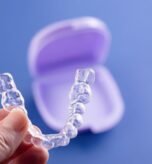
Over time, this may contribute to crown damage, screw loosening or other mechanical problems. A night guard may be recommended for suitable patients.
7. Type and Quality of Dental Crown
The material used for the implant crown affects its appearance, strength and resistance to wear.
Zirconia and ceramic crowns are commonly considered for implant restorations. Your dentist will recommend a suitable option based on the location of the tooth, bite forces and aesthetic requirements.
8. Bite Alignment
An uneven bite can place excessive pressure on an implant-supported crown. Proper bite assessment during crown placement and follow-up appointments helps reduce the risk of overloading.
9. Regular Dental Check-ups
Dental implants require professional monitoring even when they feel comfortable. Regular check-ups help identify gum inflammation, bone changes, loose components and crown damage at an early stage.
10. Diet and Lifestyle Habits
Chewing ice, biting hard objects, opening packages with teeth and frequently eating extremely hard foods can damage implant crowns.
Avoiding harmful habits helps protect both natural teeth and dental restorations.
How to Take Care of Dental Implants: Daily Maintenance Tips
Taking care of dental implants is similar to caring for natural teeth, but cleaning around the implant requires particular attention.
Brush Twice a Day
Brush your teeth twice daily using a soft-bristled toothbrush and a fluoride toothpaste suitable for your dental needs.
Pay attention to the gumline around the implant crown, where plaque can collect.
Clean Between Your Teeth Daily
A regular toothbrush cannot clean every surface between teeth. Use dental floss, interdental brushes or other cleaning aids recommended by your dentist.
Special implant-friendly cleaning tools may be helpful for patients with multiple implants or full-mouth implant-supported restorations.
Use a Water Flosser if Recommended
A water flosser can help remove food particles and plaque from difficult-to-reach areas. It may be particularly useful around bridges and implant-supported restorations.
However, it should be used as an addition to, rather than an automatic replacement for, brushing and other recommended cleaning methods.
Avoid Smoking and Tobacco
Stopping smoking can support healthier gums and reduce risk factors associated with implant complications.
Avoid Biting Extremely Hard Objects
Do not use implant-supported teeth to crack nuts, chew ice or bite hard non-food objects. These habits can damage the crown or its supporting components.
Attend Regular Dental Maintenance Visits
Your dentist will recommend a suitable follow-up schedule based on your gum health, medical history, oral hygiene and implant condition.
Some patients may require more frequent professional maintenance than others.
What Is Peri-Implantitis and How Can It Affect Dental Implant Lifespan?
Peri-implantitis is an inflammatory condition affecting the tissues surrounding a dental implant. It can cause progressive loss of supporting bone and may eventually threaten implant stability if not managed.
It is often associated with bacterial plaque and can be influenced by factors such as smoking, previous gum disease and inadequate oral hygiene.
Common warning signs include:
- Red or swollen gums around the implant
- Bleeding during brushing or cleaning
- Tenderness around the implant
- Pus or discharge near the implant
- Gum recession around the crown
- Changes in the way the implant-supported tooth feels
Some patients may not experience noticeable symptoms in the early stages. This is why regular dental examinations are important.
If you notice swelling, bleeding, discharge, pain or looseness around an implant, contact your dentist promptly. Early assessment can help identify the cause and determine appropriate treatment.
Can a Dental Implant Crown Be Replaced Without Removing the Implant?
Yes, in many cases, the crown can be repaired or replaced without removing the implant fixture.
If the implant remains stable and the surrounding bone and gums are healthy, the dentist may be able to remove the existing crown and attach a new restoration.
Replacement may be considered when:
- The crown is chipped or fractured.
- The crown has become worn.
- The appearance no longer matches the surrounding teeth.
- The crown has become loose.
- The restoration needs adjustment due to bite changes.
However, if the implant itself has developed significant infection, bone loss or instability, more extensive treatment may be necessary.
A clinical examination and appropriate imaging help determine whether the issue involves the crown, abutment or implant fixture.
Dental Implants vs Natural Teeth: Which Lasts Longer?
Natural teeth can last a lifetime with proper oral care, while dental implants are artificial replacements designed to function for many years.
Both require regular cleaning and professional dental examinations.
Natural teeth have a periodontal ligament that helps provide sensory feedback and absorbs some chewing forces. Dental implants are directly connected to the jawbone and do not have this same ligament.
Dental implants also cannot develop tooth decay, but the gums and bone around them can still become infected.
Therefore, replacing a missing tooth with an implant does not eliminate the need for good oral hygiene or regular dental visits.
Dental Implant Maintenance at Vital Dental Clinic, Chandigarh
If you are looking for dental implants in Chandigarh, choosing a clinic that focuses on proper treatment planning and long-term follow-up is important.
At Vital Dental Clinic, Chandigarh, patients can discuss different tooth replacement options and receive guidance about implant placement, restoration and maintenance.
The clinic’s dental implant services include treatment planning for:
- Single tooth dental implants
- Multiple dental implants
- Full-mouth dental implants
- Implant-supported crowns
- All-on-4 and All-on-6 treatment options, where clinically suitable
- Evaluation of gum and jawbone health
Patients from Sector 15, Sector 17, Sector 22, Sector 34, Mohali, Panchkula, Zirakpur, Kharar and nearby Tricity locations can enquire about dental implant consultation.
Whether you need a single missing tooth replaced or are exploring full-mouth dental implants, a personalised examination can help determine the most suitable treatment and maintenance plan.
Frequently Asked Questions About Dental Implant Lifespan
1. How many years do dental implants last?
Dental implants can last 10–20 years or longer. Their lifespan depends on implant stability, gum health, oral hygiene, lifestyle habits and regular professional maintenance.
2. Do dental implants last forever?
Not always. Dental implants are a long-term tooth replacement option, but complications can occur. The implant fixture may last for decades, while the crown may need replacement earlier.
3. How often should I visit the dentist after getting dental implants?
Your dentist will recommend an individual follow-up schedule. Some patients may need check-ups every 3–6 months, while others may require less frequent visits depending on their oral health and risk factors.
4. Can dental implants fail after 10 years?
Yes. Although many implants remain functional for more than 10 years, late complications can occur due to infection, bone loss, excessive bite pressure or mechanical damage.
5. Does smoking reduce the lifespan of dental implants?
Smoking can interfere with healing and increase the risk of implant complications. Stopping smoking is an important step towards protecting implant health.
6. Can I brush my dental implants normally?
Yes. Brush twice daily with a soft-bristled toothbrush and clean between the teeth using the tools recommended by your dentist.
7. Does an implant crown need replacement?
It may. The crown experiences daily chewing forces and can wear down, chip or become damaged. Replacement depends on its condition and the health of the underlying implant.
8. Can dental implants get cavities?
No. The artificial implant crown cannot develop tooth decay like a natural tooth. However, plaque can cause gum inflammation and infection around the implant.
9. What are the signs of dental implant failure?
Warning signs may include persistent pain, swelling, bleeding, pus, gum recession or implant movement. Contact your dentist if you notice any of these symptoms.
10. Where can I get dental implants in Chandigarh?
You can consult Vital Dental Clinic in Chandigarh to discuss missing tooth replacement, dental implant treatment options and long-term maintenance requirements.