A beautiful, straight smile can improve not only your appearance but also your confidence and overall dental health. If you have crooked teeth, gaps, overcrowding, or bite alignment problems, Invisalign clear aligners can be an effective alternative to traditional metal braces. One of the most common questions patients ask before starting treatment is: What kind of Invisalign before and after results can I expect?
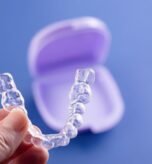
Invisalign treatment uses a series of transparent, removable aligners to gradually move teeth into their desired positions. Unlike traditional braces, these aligners are nearly invisible, comfortable, and convenient for everyday activities. Patients can enjoy a more discreet orthodontic experience while working towards a healthier, more attractive smile.
Whether you are considering Invisalign for minor gaps, crowded teeth, an overbite, or other alignment concerns, understanding the expected results, treatment timeline, and factors affecting success can help you make an informed decision.
In this blog, we will explore Invisalign before and after transformations, the changes you can expect at different stages, treatment duration, benefits, and how to maintain your results.
What Is Invisalign Treatment?
Invisalign is a modern orthodontic treatment that uses a series of custom-made, transparent plastic aligners to straighten teeth. These aligners are designed using digital dental scans and treatment planning technology to move teeth gradually and precisely.
Each aligner applies controlled pressure to specific teeth. As you progress through the series, your teeth slowly shift into their planned positions.
Unlike traditional metal braces, Invisalign does not require brackets or wires. The aligners are removable, allowing you to eat, brush, floss, and maintain your regular oral hygiene routine conveniently.
At a professional dental clinic in Chandigarh, an orthodontic evaluation helps determine whether Invisalign is suitable for your dental condition.
Invisalign Before and After: What Changes Can You Expect?
Invisalign before and after results can be impressive, depending on the initial condition of your teeth and the complexity of your orthodontic problem. The treatment focuses on improving tooth alignment, bite function, and overall smile appearance.
Here are some of the most common transformations patients can expect.
1. Straightening Crooked Teeth
Crooked or misaligned teeth are among the most common reasons people choose Invisalign. Teeth may overlap, rotate, or grow out of their natural alignment, affecting both appearance and cleaning.
Before Invisalign treatment, patients may have visibly uneven teeth, overlapping front teeth, or irregular spacing.
After treatment, the teeth can become more evenly aligned, creating a balanced and attractive smile. Proper alignment may also make brushing and flossing easier.
2. Closing Gaps Between Teeth
Gaps between teeth, also known as dental spacing, can affect the appearance of your smile. Some people naturally have spaces between their front teeth, while others develop gaps due to tooth-size differences or changes in dental alignment.
Invisalign aligners gradually move teeth closer together to reduce or close suitable spaces.
After treatment, patients may achieve a more uniform smile with improved tooth positioning. However, larger gaps or gaps caused by missing teeth may require additional dental treatment.
3. Correcting Overcrowded Teeth
Dental overcrowding occurs when there is insufficient space in the jaw for all teeth to fit properly. This can cause overlapping, twisting, and irregular tooth positioning.
Before Invisalign, crowded teeth may appear uneven and difficult to clean.
After Invisalign treatment, teeth can become better aligned, improving the overall appearance of the smile and making oral hygiene easier.
4. Improving Overbite and Underbite
An overbite occurs when the upper front teeth extend too far over the lower front teeth. An underbite occurs when the lower teeth sit in front of the upper teeth.
Depending on the severity and underlying jaw relationship, Invisalign may help correct certain bite problems.
After treatment, patients may experience improved tooth contact, a more balanced bite, and better smile aesthetics. Severe skeletal bite problems may require additional orthodontic or surgical treatment.
5. Creating a More Balanced Smile
Invisalign does more than straighten individual teeth. It can also improve the overall symmetry and balance of your smile.
By repositioning teeth, orthodontic treatment may help improve the appearance of your front teeth, smile line, and dental proportions.
The final result depends on your natural tooth shape, gum health, facial structure, and treatment goals.
Invisalign Before and After: Treatment Timeline
One of the biggest advantages of Invisalign is that patients can see their smile gradually improving throughout treatment. However, the exact timeline depends on the severity of misalignment, the number of aligners required, and how consistently they are worn.
First 1–2 Weeks: Getting Used to Invisalign
During the first few days, patients may experience mild pressure or discomfort as their teeth begin moving. This is normal and usually improves as the mouth adjusts to the aligners.
You may notice:
- Slight pressure on certain teeth.
- Mild speech changes initially.
- Increased awareness of the aligners.
- Gradual adjustment to wearing them throughout the day.
At this stage, visible changes may be minimal, but the tooth movement process has started.
Weeks 3–8: Early Visible Changes
After several weeks, some patients begin noticing small improvements in their tooth alignment.
You may observe:
- Minor gaps becoming smaller.
- Slightly straighter front teeth.
- Reduced overlapping in some areas.
- Improved positioning of individual teeth.
The changes may be subtle, but they indicate that your Invisalign treatment is progressing.
Months 2–4: Noticeable Smile Transformation
This is when many patients start noticing more visible improvements.
Depending on the original dental condition, you may see:
- Better alignment of front teeth.
- Reduced dental crowding.
- Improved spacing between teeth.
- More uniform tooth positioning.
- Early improvements in certain bite problems.
Regular dental checkups help your orthodontist monitor progress and ensure that your teeth are moving according to the treatment plan.
Months 4–8: Significant Before and After Results
For patients with mild to moderate orthodontic concerns, significant improvements may become visible during this period.
Your teeth may look considerably straighter, and your smile may appear more balanced. However, complex cases can require longer treatment periods.
Final Stage: Achieving Your Desired Smile
Once you complete your prescribed aligner series, your orthodontist will evaluate the final tooth positions.
Some patients may require additional refinement aligners to achieve the planned result. These aligners help make smaller adjustments and improve the final alignment.
After completing treatment, retainers are essential to maintain your new smile.
How Long Does Invisalign Take to Show Results?
The time required to see Invisalign before and after results varies from person to person.
| Dental condition | General treatment estimate |
|---|---|
| Minor gaps | 3–6 months |
| Mild crowding | 4–8 months |
| Moderate misalignment | 8–15 months |
| Complex alignment problems | 12–24 months or longer |
These are general estimates, not guaranteed treatment durations. Your orthodontist will provide a more accurate timeline after examining your teeth.
Invisalign Before and After: Factors That Affect Your Results
Several factors influence how quickly your teeth move and how successful your Invisalign treatment will be.
1. Severity of Teeth Misalignment
Patients with minor spacing or slightly crooked teeth may achieve their desired results faster than patients with severe crowding or complex bite problems.
2. Wearing Aligners for 20–22 Hours Daily
Consistency is one of the most important factors in Invisalign treatment.
Most patients are advised to wear their aligners for approximately 20–22 hours every day, removing them only for eating, drinking anything other than water, and oral hygiene.
Not wearing aligners for the recommended duration can delay tooth movement and affect treatment results.
3. Following Your Orthodontist’s Instructions
Every Invisalign treatment plan is customised. Following your orthodontist’s instructions regarding aligner changes, attachments, elastics, and appointments is essential.
4. Maintaining Good Oral Hygiene
Healthy teeth and gums support successful orthodontic treatment. Brush twice daily, floss regularly, and clean your aligners as instructed.
5. Attending Regular Dental Appointments
Regular checkups allow your dentist to monitor tooth movement and identify any issues that may affect your treatment progress.
Can Invisalign Fix All Types of Dental Problems?
Invisalign can treat many common orthodontic conditions, but it is not suitable for every patient.
It may help correct:
- Crooked and overlapping teeth.
- Gaps between front teeth.
- Mild to moderate dental crowding.
- Certain overbite conditions.
- Certain underbite conditions.
- Crossbite and open bite in suitable cases.
- Minor tooth rotations.
- Uneven tooth alignment.
However, severe jaw discrepancies, complex tooth movements, and certain complicated orthodontic conditions may require traditional braces or a combination of treatments.
A detailed orthodontic examination is necessary to determine the most suitable treatment option.
Invisalign vs Traditional Braces: Before and After Results
Both Invisalign and traditional braces can produce excellent orthodontic results when properly planned and monitored. However, they differ in appearance, convenience, and treatment approach.
| Feature | Invisalign | Traditional Braces |
|---|---|---|
| Appearance | Transparent aligners | Visible metal brackets |
| Removable | Yes | No |
| Eating | Remove before meals | Dietary restrictions |
| Oral hygiene | Easier to brush and floss | Requires extra cleaning |
| Comfort | Generally smooth plastic | Brackets and wires may irritate |
| Discipline | Requires consistent wear | Fixed treatment system |
| Suitability | Many mild to complex cases | Broad range of cases |
The best option depends on your dental condition, lifestyle, and orthodontist’s recommendation.
Are Invisalign Before and After Results Permanent?
Invisalign can provide long-lasting teeth-straightening results, but teeth naturally tend to shift throughout life.
This movement can happen because of ageing, changes in gum support, natural bite forces, and the tendency of teeth to return towards their previous positions.
To maintain your Invisalign before and after results, wearing retainers is extremely important.
Your orthodontist may recommend removable retainers or fixed retainers, depending on your dental condition.
Tips for maintaining your new smile:
- Wear retainers as prescribed.
- Maintain regular dental checkups.
- Brush twice daily.
- Floss every day.
- Avoid habits such as nail-biting.
- Maintain good gum health.
- Follow your dentist’s long-term recommendations.
With proper retention and oral care, you can maintain your straighter smile for many years.
Does Invisalign Hurt Before and After Treatment?
Invisalign is generally considered comfortable compared with traditional braces, but some pressure or mild soreness is common.
You may experience temporary discomfort when switching to a new set of aligners. This happens because the aligners apply controlled pressure to move your teeth.
Most patients adjust within a few days.
To manage discomfort:
- Follow your prescribed aligner schedule.
- Avoid switching aligners earlier than recommended.
- Use orthodontist-approved pain relief if necessary.
- Contact your dentist if you experience persistent pain or irritation.
Invisalign should not cause severe or continuous pain. Any unusual discomfort should be evaluated by your dental professional.
What Happens After Completing Invisalign Treatment?
Completing your Invisalign aligners is an exciting milestone, but orthodontic care does not end there.
Your dentist will examine your final tooth positions and determine whether refinement aligners are necessary.
Once the desired alignment is achieved, you will receive retainers to prevent your teeth from shifting.
You may also benefit from professional dental cleaning to maintain healthy gums and improve overall oral hygiene.
The goal is not just to achieve beautiful Invisalign before and after photographs but to maintain a healthy, functional, and confident smile.
Invisalign Treatment in Chandigarh: Transform Your Smile at Vital Dental Clinic
If you are looking for Invisalign treatment in Chandigarh, choosing an experienced dental team is an important step towards achieving your desired smile.
At Vital Dental Clinic, Chandigarh, patients can explore modern orthodontic treatment options designed around their individual dental needs.
Whether you have crooked teeth, gaps, overcrowding, or bite alignment concerns, a personalised orthodontic assessment can help determine whether clear aligner treatment is suitable for you.
Patients from Chandigarh, Mohali, Panchkula, Zirakpur, Kharar, New Chandigarh, and nearby Tricity areas can seek professional guidance for teeth straightening and smile improvement.
Why Consider Vital Dental Clinic for Teeth Straightening?
- Personalised dental consultations.
- Assessment of tooth alignment and bite concerns.
- Modern orthodontic treatment planning.
- Guidance on clear aligners and alternative braces.
- Focus on oral hygiene and long-term dental health.
- Treatment recommendations based on individual requirements.
If you want straighter teeth without the appearance of traditional metal braces, Invisalign may be worth considering.
Book a dental consultation at Vital Dental Clinic to understand your treatment options and take the first step towards a healthier, more confident smile.
Frequently Asked Questions About Invisalign Before and After
1. How long does Invisalign take to show visible results?
Some patients notice small changes within 6–8 weeks, while more noticeable improvements may take several months. The timeline depends on the complexity of tooth misalignment and treatment compliance.
2. How many months does Invisalign treatment take?
Invisalign treatment generally takes around 6–18 months for many cases. Simple cases may finish sooner, while complex orthodontic problems can require 24 months or longer.
3. Can Invisalign completely straighten crooked teeth?
Yes, Invisalign can correct many types of crooked and misaligned teeth. However, suitability depends on the severity of the condition and the required tooth movements.
4. Does Invisalign close gaps between teeth?
Yes, Invisalign can gradually close many spaces between teeth by moving them into better alignment. Larger gaps may require additional dental treatment.
5. Are Invisalign before and after results noticeable?
Yes, many patients experience noticeable improvements in tooth alignment, spacing, and smile appearance. The extent of transformation depends on their initial dental condition.
6. Can Invisalign fix an overbite?
Invisalign can correct certain mild to moderate overbite conditions. Severe skeletal problems may require additional orthodontic or surgical treatment.
7. Is Invisalign better than traditional braces?
Both treatments have advantages. Invisalign offers a discreet and removable option, while traditional braces can be suitable for a wider range of complex orthodontic cases.
8. Can I eat normally after Invisalign treatment?
Yes. Once treatment is complete, you can generally enjoy your regular foods. During treatment, remove your aligners before eating and clean your teeth before putting them back in.
9. Do I need retainers after Invisalign?
Yes. Retainers are important for maintaining your final tooth positions and preventing relapse after completing Invisalign treatment.
10. Where can I get Invisalign treatment in Chandigarh?
You can visit Vital Dental Clinic in Chandigarh for an orthodontic consultation. Your dentist can examine your teeth, discuss your smile goals, and determine whether Invisalign or another teeth-straightening treatment is appropriate.