Choosing the right dental crown can make a significant difference to the appearance, comfort, and function of your smile. If you have a damaged, weakened, or discoloured tooth, your dentist may recommend a dental crown to restore its shape and protect it from further damage. However, with several crown materials available, many patients wonder whether a zirconia crown or a ceramic crown looks more natural.
If you are searching for zirconia crown vs ceramic crown in Chandigarh, understanding the differences in appearance, strength, durability, cost, and suitability can help you make an informed decision.
At Vital Dental Clinic, Chandigarh, patients can explore restorative dentistry options based on their dental condition and cosmetic goals. Whether you live in Chandigarh, Mohali, Panchkula, Zirakpur, Kharar, Dera Bassi, or New Chandigarh, choosing a crown that matches your natural teeth starts with understanding the materials available.
What Is a Dental Crown?
A dental crown is a custom-made covering that fits over a prepared tooth to restore its shape, size, strength, and appearance. Crowns are commonly recommended for teeth that are badly damaged, heavily filled, weakened after root canal treatment, or unsuitable for restoration with a simple filling.
Dental crowns can be made from different materials, including zirconia, other all-ceramic materials, and porcelain-fused-to-metal (PFM).
The best material depends on the location of the tooth, the amount of remaining tooth structure, your bite, the appearance you want, and your budget.
What Is a Zirconia Crown?
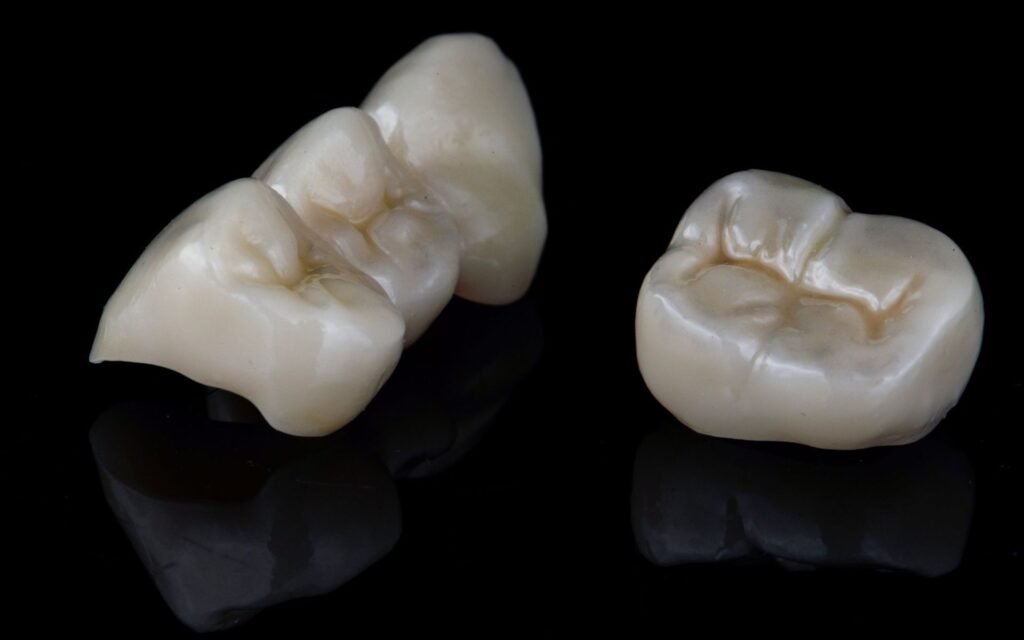
A zirconia crown is made from zirconium dioxide, a strong ceramic material used in modern restorative dentistry. Zirconia crowns are popular because they combine strength with a tooth-coloured appearance and do not require a metal framework.
There are different types of zirconia. Some are designed primarily for strength, while others offer greater translucency for improved aesthetics. This means that not all zirconia crowns look exactly the same.
Benefits of Zirconia Crowns
1. Strong and durable
Zirconia is known for its high strength and can be suitable for teeth that experience substantial chewing forces. Depending on the material and design, it may be used for both front and back teeth.
2. Tooth-coloured appearance
Zirconia crowns can be matched to the shade of surrounding teeth. Modern translucent zirconia materials may provide a natural-looking result when properly selected and designed.
3. Metal-free construction
Unlike PFM crowns, zirconia crowns do not have a metal substructure. This can be helpful for patients who prefer a metal-free restoration.
4. Suitable for many restorative situations
Zirconia may be used for selected front teeth, molars, and some implant-supported restorations, depending on the clinical requirements.
Do Zirconia Crowns Look Natural?
Yes, zirconia crowns can look very natural, but the result depends on the type of zirconia used, its translucency, the shade selected, and the skill of the dentist and dental laboratory.
Highly translucent zirconia may blend well with surrounding teeth. However, some stronger zirconia materials can look more opaque than natural enamel, particularly in the front of the mouth.
For patients who want a highly aesthetic front-tooth restoration, the dentist should explain which zirconia material is being considered and whether it can achieve the desired appearance.
What Is a Ceramic Crown?
The term “ceramic crown” generally refers to a crown made from a tooth-coloured ceramic material without a metal framework. It includes different materials, such as glass ceramics and other advanced dental ceramics.
Some ceramic materials are designed to mimic the translucency and light reflection of natural enamel. These characteristics can make them particularly attractive for restoring front teeth.
Because the term covers several materials, it is important to ask which specific ceramic your dentist recommends.
Benefits of Ceramic Crowns
1. Excellent aesthetics
Some all-ceramic materials closely reproduce the colour, translucency, and light-reflecting properties of natural teeth. This can make them a suitable choice for visible front teeth.
2. Natural shade matching
The dentist and dental laboratory can select a shade that complements your surrounding teeth, helping the crown blend into your smile.
3. Metal-free restoration
All-ceramic crowns do not contain the metal framework used in PFM crowns. This is useful for patients seeking a metal-free option.
4. Useful for cosmetic restorations
Selected ceramic materials are commonly used when appearance is a major concern, although the best choice depends on the tooth’s position and the forces placed on it.
Do Ceramic Crowns Look More Natural Than Zirconia?
Some ceramic crowns, particularly certain glass-ceramic restorations, can provide excellent translucency and lifelike aesthetics. However, modern translucent zirconia can also produce very natural-looking results.
Therefore, it is not accurate to say that every ceramic crown looks better than every zirconia crown. The specific material, tooth location, colour of the underlying tooth, gum line, and quality of the restoration all influence the final appearance.
Zirconia Crown vs Ceramic Crown: Main Differences
The main difference is that zirconia is a particular type of ceramic with a strong clinical reputation, while “ceramic crown” is a broader term that includes several different materials.
| Feature | Zirconia crown | Other all-ceramic crowns |
|---|---|---|
| Natural appearance | Can look very natural, depending on type | Some materials offer excellent enamel-like translucency |
| Strength | High for many applications | Varies by ceramic material |
| Metal-free | Yes | Yes |
| Front teeth | Suitable options are available | Often considered when aesthetics are the main priority |
| Back teeth | Commonly used where strength is important | Some materials are suitable, depending on bite and design |
| Cost | Often moderate to high | Varies from moderate to high |
| Main consideration | Balance of strength and translucency | Material-specific strength and suitability |
The best crown is the one that suits your tooth, bite, and aesthetic expectations rather than simply the material with the most attractive name.
Which Crown Looks More Natural for Front Teeth?
Front teeth are highly visible when you speak and smile, so colour matching and translucency are particularly important.
Some glass-ceramic crowns can reproduce the appearance of natural enamel exceptionally well. Translucent zirconia may also be appropriate, depending on the clinical situation and the appearance of neighbouring teeth.
Your dentist may consider:
- The natural shade of your teeth.
- How translucent your surrounding enamel is.
- The colour of the underlying tooth.
- The position of the gum line.
- The amount of space available for the crown.
- Your smile line and cosmetic expectations.
If your priority is a natural-looking front tooth, ask your dentist to explain the available material options and how the proposed crown will be matched to your existing teeth.
Which Crown Is Better for Back Teeth?
Back teeth are exposed to considerable chewing forces. Strength, thickness, bite alignment, and resistance to damage are therefore important considerations.
Zirconia crowns are frequently considered for molars because many zirconia formulations offer high strength. However, selected other ceramic materials can also be appropriate in certain situations.
If you clench or grind your teeth, tell your dentist. Excessive forces can affect both the crown and the opposing teeth. Your dentist may recommend adjustments to your bite or a protective night guard when appropriate.
Zirconia Crown vs Ceramic Crown Cost in Chandigarh
Cost is another important factor when comparing dental crown materials.
The price depends on the material, laboratory work, tooth preparation, complexity of the case, and any additional treatment required.
As a broad indicative budgeting estimate for 2026, zirconia crowns in Chandigarh may cost approximately ₹7,000–₹18,000 or more per tooth. Other all-ceramic crowns may cost around ₹5,000–₹12,000 per tooth, although premium materials and complex restorations can cost more.
These are general estimates, not a confirmed price list from Vital Dental Clinic.
Before beginning treatment, ask for a written quotation that explains whether the cost includes consultation, impressions or digital scans, temporary crowns, laboratory charges, cementation, and follow-up visits. If root canal treatment or a core build-up is needed, those procedures may be billed separately.
If you are comparing dental crown cost in Chandigarh, do not choose solely on the lowest advertised price. Material suitability, fit, appearance, and ongoing maintenance are also important.
How Long Do Zirconia and Ceramic Crowns Last?
Both zirconia and other all-ceramic crowns can last many years when properly designed, fitted, and maintained. However, no crown lasts forever, and its lifespan varies from patient to patient.
Factors that affect crown longevity include:
- The quality of tooth preparation and crown fit.
- The material and thickness of the crown.
- Your bite and chewing forces.
- Gum health and oral hygiene.
- Teeth grinding or clenching.
- Eating habits and exposure to hard objects.
- Regular dental check-ups.
A crown can become damaged or require replacement because of chipping, wear, decay around its edges, gum changes, or problems with the underlying tooth.
Brush twice daily with fluoride toothpaste, clean between your teeth, and attend routine dental examinations. If your crown feels loose, causes pain, or changes the way your teeth meet, contact your dentist.
Can Zirconia or Ceramic Crowns Stain?
Both zirconia and many other ceramic crown materials are generally resistant to surface staining compared with natural teeth. However, plaque and deposits can accumulate around the crown, particularly near the gum line.
The natural teeth around the crown may also change colour over time. Since a crown does not respond to whitening treatments in the same way as natural enamel, this can sometimes create a visible shade difference.
If you are planning teeth whitening, discuss the timing with your dentist before selecting the crown shade. Whitening the natural teeth first, when appropriate, may help the dentist plan a better colour match for the final restoration.
How Is a Dental Crown Fitted?
The procedure typically begins with an examination of the affected tooth and surrounding gums. X-rays may be needed to assess the tooth’s condition.
The dentist prepares the tooth to create space for the crown, then records its shape using a digital scan or dental impression. A temporary crown may be placed while the final restoration is fabricated.
At the next appointment, the dentist checks the crown’s fit, colour, and bite before securing it.
The exact process depends on the tooth, material, and technology available. Some suitable cases can be completed in one visit, while others require multiple appointments.
Which Crown Should You Choose at Vital Dental Clinic, Chandigarh?
The decision between zirconia and other ceramic crowns should be based on your individual dental needs.
A dentist may recommend zirconia when strength and a metal-free design are priorities. A particular all-ceramic material may be preferred when translucency and front-tooth aesthetics are especially important.
At Vital Dental Clinic, Chandigarh, patients can discuss their concerns, compare suitable restorative options, and ask for an estimate based on the condition of the tooth.
If you are travelling from Mohali, Panchkula, Zirakpur, Kharar, Dera Bassi, or New Chandigarh, you can plan a consultation to understand the treatment options before deciding.
For more information, visit the Dental Crowns in Chandigarh service page.
Frequently Asked Questions
1. Which looks more natural: zirconia or ceramic crowns?
Some all-ceramic materials provide excellent translucency, while modern translucent zirconia can also look very natural. The result depends on the specific material, shade, tooth location, and quality of the restoration.
2. Are zirconia crowns better than ceramic crowns?
Zirconia is a type of ceramic. It is known for its strength, while some other ceramic materials may offer excellent aesthetics. The best choice depends on the tooth’s location, bite, and cosmetic requirements.
3. Which crown is best for front teeth?
Some glass-ceramic crowns and selected translucent zirconia crowns can be suitable for front teeth. Your dentist will consider shade matching, translucency, gum appearance, and the amount of remaining tooth structure.
4. Which crown is best for molars?
Zirconia is commonly used for molars because of its strength, but selected other ceramic materials may also be suitable. Your dentist should assess chewing forces and bite alignment.
5. What is the cost of a zirconia crown in Chandigarh?
As an indicative estimate, zirconia crowns may cost approximately ₹7,000–₹18,000 or more per tooth. Actual prices depend on the material, laboratory, and treatment complexity.
6. How much does a ceramic crown cost in Chandigarh?
Some all-ceramic crowns may cost around ₹5,000–₹12,000 per tooth, while premium options may cost more. Ask the clinic for a current, itemised estimate.
7. Can a zirconia crown look exactly like a natural tooth?
A well-designed zirconia crown can look very natural, but an exact match cannot be guaranteed. The result depends on the material, translucency, shade, gum line, and laboratory work.
8. Can dental crowns be whitened?
Crowns do not whiten in the same way as natural teeth. If you are considering whitening, discuss it with your dentist before selecting the shade of your crown.
9. How long do zirconia and ceramic crowns last?
Both can last many years with appropriate care. Their lifespan depends on the fit, material, bite forces, oral hygiene, and condition of the underlying tooth.
10. Where can I get a zirconia or ceramic crown in Chandigarh?
You can contact Vital Dental Clinic, Chandigarh, to arrange a dental assessment and discuss which crown materials are suitable for your tooth and budget.
Conclusion
When comparing zirconia crowns vs ceramic crowns, the most natural-looking option depends on the specific material and the location of the tooth. Some all-ceramic materials provide excellent translucency, while modern zirconia crowns offer a combination of strength and aesthetics.
For front teeth, shade matching and translucency may be particularly important. For back teeth, chewing forces and durability may carry greater weight. In both cases, the quality of the dental preparation, crown fit, and laboratory work contribute to the final result.
If you are considering a zirconia crown or ceramic crown in Chandigarh, Mohali, Panchkula, Zirakpur, Kharar, or nearby areas, consult a dentist to compare suitable options and obtain a personalised treatment estimate.