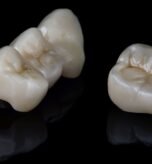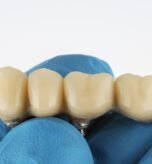
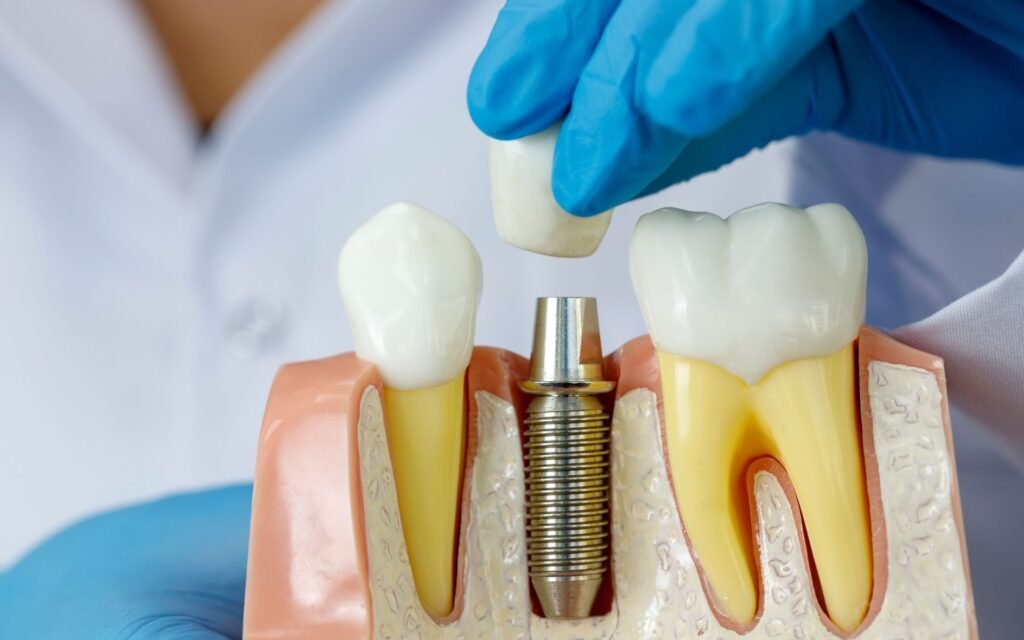
Missing most or all of your teeth can affect your ability to eat comfortably, speak clearly, and smile confidently. Traditional dentures may help replace missing teeth, but some patients experience slipping, discomfort, or difficulty chewing certain foods. Full mouth dental implants offer another option by supporting replacement teeth with implants placed in the jawbone.
If you are searching for full mouth dental implants cost in Chandigarh, it is important to understand the available treatment options, procedure, recovery time, and factors that influence the final price. The right treatment depends on your jawbone condition, gum health, medical history, and expectations.
At Vital Dental Clinic in Chandigarh, patients can explore tooth-replacement options with guidance from a dental professional. Whether you are visiting from Chandigarh, Mohali, Panchkula, Zirakpur, Kharar, Dera Bassi, or New Chandigarh, understanding the process can help you prepare for an informed consultation.
What Are Full Mouth Dental Implants?
Full mouth dental implants are used to replace most or all missing teeth in the upper jaw, lower jaw, or both. Dental implants are small fixtures, commonly made from titanium, that are placed in the jawbone to support replacement teeth.
Unlike conventional dentures, which rest on the gums, implant-supported teeth are anchored to dental implants. Depending on your treatment plan, the final restoration may be a fixed bridge or an implant-supported removable denture.
Importantly, full mouth dental implants do not necessarily mean placing one implant for every missing tooth. Several implants can support a complete arch of replacement teeth, depending on the patient’s bone structure and the restoration design.
Patients looking for full mouth dental implants in Chandigarh may be suitable candidates if they have lost most of their teeth, have severely damaged teeth that cannot be restored, or struggle with loose conventional dentures.
Full Mouth Dental Implants Cost in Chandigarh
One of the most common questions patients ask is, “How much do full mouth dental implants cost in Chandigarh?”
The total cost varies according to the number of implants, implant system, replacement tooth material, surgical complexity, and any additional procedures required.
As an indicative budgeting guide for 2026, full-arch implant-supported treatment may cost approximately ₹1.5 lakh to ₹4 lakh or more per jaw in some treatment plans. Replacing teeth in both jaws may cost approximately ₹3 lakh to ₹8 lakh or more. These are broad estimates, not a confirmed price list from Vital Dental Clinic, and complex or premium treatments may cost substantially more.
Factors That Affect Full Mouth Dental Implant Price
1. Number of dental implants
Some full-arch restorations are supported by four implants, while others require six or more. The dentist determines the appropriate number based on bone quality, implant positioning, bite forces, and the planned restoration.
2. Implant brand and system
Different implant systems have different costs. Your dentist can explain the selected system, its clinical suitability, and the components included in your treatment plan.
3. Material used for replacement teeth
The final bridge may be made from different materials, such as acrylic-based materials, metal-ceramic, or zirconia. Each has different costs, appearance, maintenance requirements, and clinical considerations.
4. Bone grafting or other additional procedures
Patients who have experienced jawbone loss may need bone grafting or another preparatory procedure. Tooth extractions, gum treatment, and other surgical requirements can also increase the overall cost.
5. Temporary and final teeth
Ask whether your estimate includes temporary teeth during healing and the final fixed restoration. These may be charged separately depending on the treatment plan.
6. Diagnostic scans and follow-up care
Consultation, dental imaging, surgical planning, laboratory work, and follow-up visits can contribute to the total treatment cost.
Before proceeding, request an itemised quotation that explains all included and excluded services. The final estimate should be based on a clinical examination and appropriate imaging.
Types of Full Mouth Dental Implant Treatment
Different implant treatments are available for patients with extensive tooth loss. Your dentist will recommend an option based on your oral health, jawbone condition, and goals.
All-on-4 Dental Implants
All-on-4 is a treatment concept in which a complete arch of replacement teeth is supported by four strategically positioned implants. It may be suitable for selected patients and can reduce the number of implants needed compared with some other approaches.
However, not everyone is suitable for All-on-4. Bone availability, bite forces, gum health, and the design of the final bridge must be assessed before treatment.
Patients comparing All-on-4 dental implants in Chandigarh should ask about the proposed implant system, temporary teeth, final restoration material, maintenance, and total treatment cost.
All-on-6 Dental Implants
All-on-6 treatment uses six implants to support a full arch of replacement teeth. Additional implants may provide another distribution of support in suitable cases, but six implants are not automatically better for every patient.
The decision between All-on-4, All-on-6, or another design depends on individual anatomy and clinical planning.
Full Mouth Implant-Supported Bridges
Some patients receive separate fixed bridges for the upper and lower jaws, supported by strategically placed implants. The number of implants and the bridge design depend on the clinical situation.
A fixed restoration is not removed by the patient for everyday cleaning, but it still requires careful cleaning around and underneath the bridge, along with professional maintenance.
Implant-Supported Dentures
An implant-supported denture attaches to implants for greater stability than a conventional denture. Depending on its design, it may be removable by the patient for cleaning or may be a different type of prosthetic restoration.
This option may be worth discussing if you want better denture stability but are not planning a fixed full-arch bridge.
Who Needs Full Mouth Dental Implants?
Full mouth dental implants may be considered by people who:
- Have lost most or all teeth in one or both jaws.
- Have multiple severely damaged teeth that cannot be predictably restored.
- Experience difficulty eating because of unstable dentures.
- Want to explore fixed replacement teeth.
- Have sufficient jawbone or may be suitable for preparatory procedures.
- Can maintain good oral hygiene and attend regular dental check-ups.
Not every patient is immediately suitable for implant surgery. Uncontrolled medical conditions, active gum disease, certain medications, smoking, and inadequate bone can affect treatment planning or healing. These factors need individual assessment rather than a blanket decision.
If you are considering full mouth dental implants in Mohali, Panchkula, Zirakpur, or Chandigarh, arrange an evaluation to determine which options are appropriate for you.
Full Mouth Dental Implant Procedure: Step by Step
Understanding the treatment process can make planning easier.
Step 1: Consultation and Dental Examination
The dentist reviews your dental history, existing teeth, gum condition, bite, and general health. Your concerns, expectations, and budget are also discussed.
Step 2: X-Rays and 3D Imaging
Dental imaging, including a cone-beam computed tomography (CBCT) scan when indicated, may be used to evaluate bone volume and important anatomical structures. This information helps the dentist plan implant positions.
Step 3: Treatment Planning
The dentist explains the recommended implant approach, number of implants, restoration type, estimated cost, potential risks, and expected timeline.
If teeth need extraction or the jawbone requires preparation, these steps are included in the treatment plan.
Step 4: Implant Placement
Implants are placed into the jawbone under appropriate anaesthesia. The procedure depends on the number and location of implants and the complexity of the case.
Some patients may receive temporary teeth relatively soon after surgery. This is not suitable for everyone; immediate loading depends on factors such as implant stability, bone quality, and bite management.
Step 5: Healing and Bone Integration
The implants need time to integrate with the surrounding bone, a process known as osseointegration. During this period, you may use temporary teeth or another recommended provisional restoration.
Step 6: Final Teeth Placement
Once healing and implant stability have been assessed, the dentist arranges the final bridge or other planned restoration. The fit, bite, appearance, and cleaning access are checked.
For more information about treatment options, visit the Dental Implants in Chandigarh page at Vital Dental Clinic.
How Long Does Full Mouth Dental Implant Treatment Take?
The complete treatment timeline varies from patient to patient. Some patients may receive temporary teeth on the day of surgery or soon afterward, while others need a staged approach.
Bone integration commonly takes several months. If tooth extractions, bone grafting, gum treatment, or other procedures are required, treatment may take longer.
Your dentist should provide a realistic timeline that separates the surgical phase, healing period, temporary restoration, and final teeth placement. Be cautious of guarantees that promise the same treatment duration for every patient.
Full Mouth Dental Implant Recovery: What to Expect
Recovery is an important part of successful implant treatment. Your experience depends on the extent of surgery and your individual healing response.
First 24–72 Hours
Mild to moderate discomfort, swelling, bruising, and minor bleeding can occur after implant surgery. Follow your dentist’s instructions, take prescribed medication as directed, rest, and avoid strenuous activity as recommended.
Use cold compresses only as advised by your dental team. Do not disturb the surgical area or rinse forcefully if you have been told to avoid it.
First One to Two Weeks
Swelling and soreness generally begin to settle during the early healing period. Maintain oral hygiene according to your dentist’s instructions and attend scheduled reviews.
Choose soft foods that do not place unnecessary pressure on the surgical sites. Avoid smoking, which can impair healing and increase the risk of implant complications.
Following Several Months
The implants continue integrating with the jawbone. Your dentist will monitor healing and advise when the final restoration can be fitted or when your diet can be progressed.
Contact your dentist promptly if you experience worsening pain, persistent bleeding, increasing swelling, fever, pus, or an implant or temporary restoration that feels loose. Seek urgent medical attention if you develop difficulty breathing or swallowing.
Benefits of Full Mouth Dental Implants
Full mouth dental implants can offer several advantages for suitable patients.
Improved chewing stability: Implant-supported teeth may make eating more comfortable than unstable conventional dentures.
A natural-looking smile: Replacement teeth are designed to complement your facial features, bite, and desired appearance.
Support for jawbone health: Implants transfer forces to the jawbone and may help reduce the bone changes associated with tooth loss, although they cannot prevent every form of bone loss.
No reliance on denture adhesive for fixed teeth: A fixed implant-supported bridge is secured to implants rather than relying on adhesive to stay in place.
Potential long-term value: Implants can provide a durable tooth-replacement option when appropriately planned and maintained. The implant components and the prosthetic teeth may require maintenance or replacement at different times.
The benefits depend on your clinical condition, treatment design, and commitment to ongoing care.
Full Mouth Dental Implants vs Traditional Dentures
Traditional dentures are removable and may be more affordable initially. However, some patients experience movement, sore spots, or difficulty chewing certain foods.
Full mouth dental implants can provide greater stability, particularly when supporting fixed replacement teeth, but they involve surgery, a longer treatment process, and a higher initial cost.
Implant-supported removable dentures offer an alternative for patients who want improved stability but prefer a removable restoration.
The best option depends on your health, jawbone, budget, preferences, and maintenance needs. A dental consultation can help you compare these choices without assuming that one solution is best for everyone.
How to Maintain Full Mouth Dental Implants
Long-term care is essential for protecting your implants and replacement teeth.
- Brush twice daily with a soft-bristled toothbrush.
- Clean around and beneath fixed bridges using the tools recommended by your dentist.
- Use floss, interdental brushes, or a water flosser as advised for your restoration.
- Attend regular dental examinations and professional implant maintenance visits.
- Avoid using your teeth to open packages or bite excessively hard objects.
- Stop smoking or seek support to quit.
- Report bleeding gums, persistent bad breath, pain, or changes in the way your teeth fit together.
Even when implants feel comfortable, inflammation around implants can develop. Regular professional monitoring helps identify problems early.
Choosing a Dental Implant Clinic in Chandigarh
Choosing a clinic should involve more than comparing the lowest advertised price. Ask about the treating dentist’s qualifications and implant experience, diagnostic planning, implant system, laboratory arrangements, sterilisation procedures, and follow-up care.
Request a written treatment plan that lists the number of implants, temporary and final teeth, additional procedures, payment stages, and possible future maintenance costs.
Patients travelling from Mohali, Panchkula, Zirakpur, Kharar, Dera Bassi, and New Chandigarh may also want to consider travel for follow-up visits during healing.
At Vital Dental Clinic, Chandigarh, you can discuss your missing teeth, explore full mouth dental implant options, and ask for a treatment plan based on your dental needs.
Frequently Asked Questions About Full Mouth Dental Implants
1. What is the cost of full mouth dental implants in Chandigarh?
Costs vary by treatment design, implant system, restoration material, and additional procedures. As a broad budgeting guide, some full-arch treatments may cost around ₹1.5 lakh to ₹4 lakh or more per jaw, while treatment for both jaws may cost ₹3 lakh to ₹8 lakh or more. Obtain an individualised written estimate after an examination.
2. Can I get fixed teeth in one day?
Some suitable patients can receive temporary fixed teeth on the day of implant placement or soon afterward. Immediate fixed teeth are not appropriate for every case, and the final permanent restoration may be placed after a healing period.
3. Is full mouth dental implant surgery painful?
Implant placement is performed with appropriate anaesthesia. Some discomfort, swelling, or bruising can occur afterward, and your dentist will provide instructions for managing recovery.
4. How long do full mouth dental implants last?
Dental implants can last many years and may last decades with appropriate care. Their lifespan depends on factors such as oral hygiene, smoking, general health, bone support, and regular professional maintenance. The attached teeth may need repair or replacement sooner than the implants themselves.
5. How long does recovery take?
Initial discomfort often improves over one to two weeks, but integration between the implants and jawbone generally takes several months. The overall timeline depends on the surgery and whether additional procedures are needed.
6. Are full mouth dental implants better than dentures?
Implants may offer improved stability and chewing function, but they require surgery and a higher initial investment. Conventional dentures remain suitable for many people. Your dentist can compare the benefits and limitations for your situation.
7. Can older adults get full mouth dental implants?
Age alone does not determine suitability. Overall health, medication history, jawbone condition, gum health, and ability to maintain the restoration are important considerations.
8. What if I do not have enough jawbone?
Bone grafting or alternative implant planning may be considered in selected cases. The appropriate approach depends on the location and extent of bone loss and your overall treatment goals.
9. Can I eat normally after full mouth dental implants?
You will generally need a soft diet during early healing and must follow your dentist’s advice about chewing. Once your final restoration is fitted and your dentist confirms it is appropriate, you can gradually return to a broader range of foods.
10. How do I book a full mouth dental implant consultation in Chandigarh?
Contact Vital Dental Clinic in Chandigarh to discuss your missing teeth, arrange a dental examination, and ask about suitable implant options, expected treatment time, and a written cost estimate.
Conclusion
Full mouth dental implants can be a valuable option for people who have lost most or all of their teeth and want to explore stable replacement teeth. Understanding the cost, available implant designs, recovery process, and long-term maintenance requirements helps you make a more informed decision.
If you are searching for full mouth dental implants in Chandigarh or nearby areas such as Mohali, Panchkula, Zirakpur, Kharar, or Dera Bassi, begin with a professional dental assessment. A personalised treatment plan is the best way to understand which option suits your oral health, expectations, and budget.
Book a consultation with Vital Dental Clinic, Chandigarh, to discuss your full mouth dental implant options and receive an individualised treatment plan.